
Oncology’s AI Inflection Point: Pattern Recognition and Clinical Trials
Authored by Brad Aufderheide, MPH
What you’ll learn:
Two out of three US clinical trials fail to meet their recruitment goals, and the cost is measured not just in dollars but in treatments that never reach patients.
AI can read and interpret patient charts at scale, transforming how trials identify eligible candidates and expanding access to patients who would otherwise never be found.
The populations enrolled in a trial determine what claims a brand can make at launch, and AI is changing who those populations include.
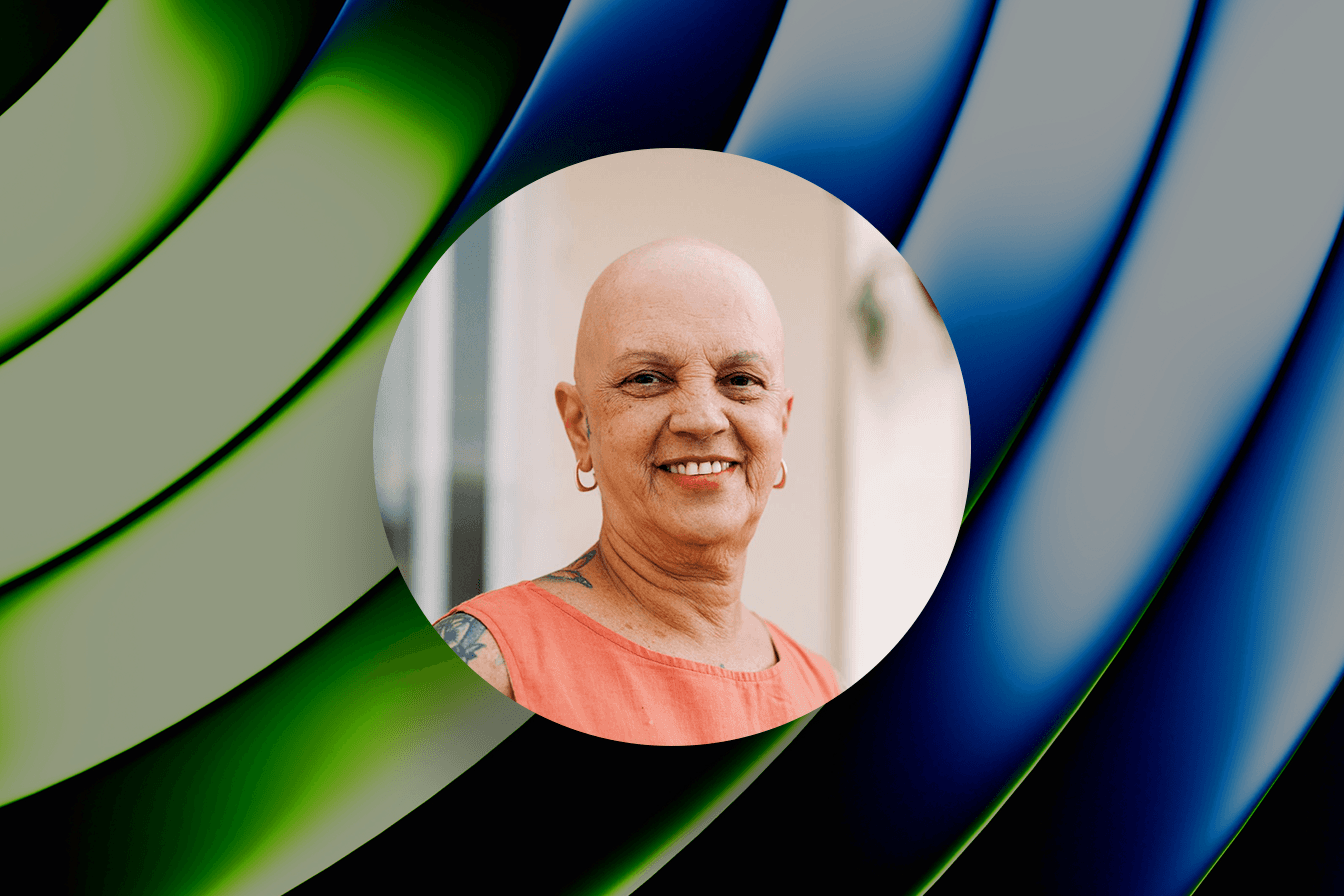
Every cancer treatment currently in use today began as an unproven idea tested in a clinical trial. Yet for many patients running out of options, the right study may exist somewhere in a database they will never see, one designed for their exact molecular profile. With two out of three US clinical trials failing to meet their original recruitment goals, delays can keep potentially life-saving treatments from reaching the patients who need them.
AI is beginning to change that. In oncology, given the volume of data and the weight of every delayed diagnosis, the gap is hardest to ignore, especially when you have literally thousands of potential oncology treatments in various stages of development.
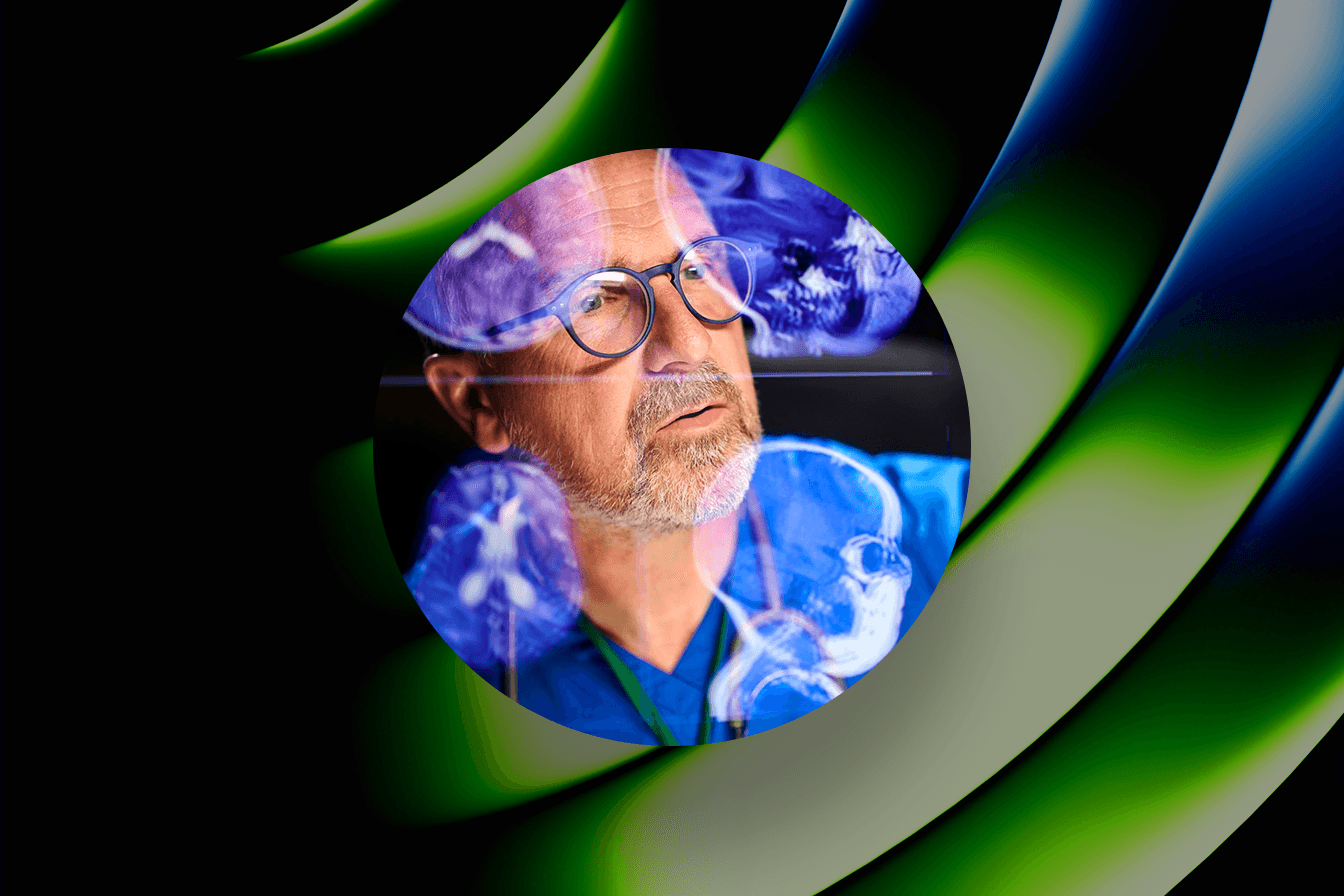
A Problem Hidden in Plain Sight
Cancer data is abundant but fragmented. Years of patient outcomes, treatment responses, toxicity profiles, imaging, and molecular markers are stored across separate systems, inaccessible to clinicians and researchers. While oncology has generated enormous clinical intelligence, it has not yet found a way to effectively consolidate and activate this data.
The problem intensifies in clinical trials. Finding eligible patients has historically required human reviewers to manually comb through charts and match them against highly specific criteria (e.g., non-small-cell lung cancer that progressed on platinum therapy, mutational status of AKT or RAS, patients at the right age, and non-smokers). For rare, smaller tumor populations with complex indications, this process is slow, error-prone, and fraught with challenges that delay these life-saving brands from reaching those that desperately need them.
It is also expensive and inequitable. Each day a trial is delayed, pharmaceutical manufacturers incur costs ranging between $600,000 and $8 million. Meanwhile, clinical trial participation in the US is disproportionately White (85–90%), even though 42% of the population are people of color, a gap that distorts results and deepens healthcare disparities.

The Match That Only AI Can Make
Large language models fundamentally change the equation. Because they can interpret the context of a patient chart rather than keyword-search it, they can translate complex inclusion and exclusion criteria into automated queries that run across entire patient populations at a scale and speed no human team can match.
Because of this, traditional barriers such as geography no longer limit progress. A patient in a rural community who might never appear on a coordinator’s radar can be surfaced as an ideal candidate for a nearby decentralized site or a distant academic center. Trials can locate the diverse, representative populations they need. Patients gain visibility into options that may otherwise have remained out of reach.
The evidence supports this shift. For example, a large B-cell lymphoma trial saw recruitment increase by more than 100% following the launch of a coordinated digital program. Programs built around digital targeting (e.g., paid search, EHR point-of-care alerts, ICD-10-based programmatic advertising) have proven they can drive enrollment at scale to help expedite development.

Why Oncologists Are Still Cautious
Today, roughly half of oncologists report using AI in their practice, and a similar share of people living with cancer use AI-enabled tools to learn about their disease and treatment options. Sometimes, those patients don’t even realize they are using AI as they conduct online searches.
Still, for all the momentum, adoption has lagged. Part of the reason is a credibility gap that the technology has genuinely earned. Frontier AI models score impressively on clinical benchmark tests. Still, oncology decisions rarely fit the tidy parameters of synthetic testing, and the performance gap becomes clear the moment models are pushed beyond predefined options.
A recent Phesi analysis of 600,000 clinical trial protocols found that fewer than one in three are linked to documented patient data and outcomes. Without that connection, AI risks scaling flawed trial designs rather than correcting them. For clinicians who navigate that reality daily, benchmark results alone offer little reassurance.
There is also a deeper tension. AI needs volume to achieve the pattern recognition that makes it clinically valuable, much like a seasoned subspecialist can see things a generalist may miss. Building that volume takes time, collaboration across institutions, and careful data governance.
Trust has to be earned through demonstrated performance on patient populations, not laboratory conditions. AI is a powerful tool for doing rapid analyses of vast data sources, but it still requires the right logic and judgment to ensure proper interpretation and application of findings.
Better Data, Stronger Story
The data that earns clinical trust also shapes what marketers can credibly say about a product. AI-matched populations are more representative, which means more robust outcomes, stronger endpoints, and a label with fewer compromises. When AI expands trial access to underrepresented populations, it also changes who the evidence speaks to.
For marketers building campaigns around patient stories, clinical data, and HCP trust, that breadth of evidence is a commercial advantage. The quality of the trial is the foundation of the commercial story. What AI changes is how complete and representative that foundation can be and how rapidly these treatments can become a life-enhancing reality.
Interested in how AI is improving oncology clinical trial recruitment? Check out our interview with Dr. Sanjay Juneja, a practicing hematologist and oncologist, to learn how AI is already changing cancer care today.
Klick Health is the world’s largest independent commercialization partner for life sciences and a leading full-service pharma marketing partner, serving as agency of record for leading pharma, biotech, and healthcare brands. Klick’s specialized offerings are rooted in deep medical and scientific understanding, including market insights, award-winning creative, and proprietary AI and data models to craft impactful brand narratives and seamless customer journeys. Backed by nearly 250 medical experts and advanced healthcare analytics, Klick delivers integrated marketing strategy and communications, from new product launch strategy to MLR review with real-world evidence, helping brands thrive in today’s complex healthcare landscape. Learn more at Klick.com.
Author

Brad Aufderheide, MPH
Senior Vice President, Strategy



Ready to Drive Life Sciences Forward?
Experience the transformative power of Klick Health, where deep industry expertise meets cutting-edge AI-driven wisdom.
As your trusted partners in life sciences commercialization, we combine a storied history in healthcare with the latest technologies to elevate every facet of your omnichannel strategy. From crafting engaging narratives to enabling data-driven decision-making, our integrated capabilities ensure you lead the way in transforming patient outcomes through digital health innovation.
Let’s create something transformative together.