
Cultural Intelligence in the Age of AI
Difference-Making Strategy
Authored by Brian Kaiser; Amy Gómez, PhD
What you’ll learn:
AI can reveal where health equity gaps exist; interpreting them well is what turns data into insight and action.
Generative AI, paired with real cultural expertise, makes previously out-of-reach work, like culturally differentiated patient journeys, achievable at scale.
Agentic AI can turn cultural understanding from a one-time snapshot into a continuous, living pulse of a community, helping brands stay in step with culture more authentically.
What’s the strategy behind strategy?
Strategy is more fluid than ever across a landscape where market signals are more prolific and immediate. Traditional approaches that served us well in a linear, campaign-centric environment are no longer optimal.
Curated by Brian Kaiser, EVP, Head of Strategy, Klick has launched the Difference-Making Strategy series, explorations that reveal what happens when you dissect your craft… and then rewire it.
These conversations reveal how Klick is adapting its approach to strategy to lead the way in a rapidly evolving marketplace. From gaming to AI and storytelling to experiences, our expectations of strategy are growing to include more than ever before.
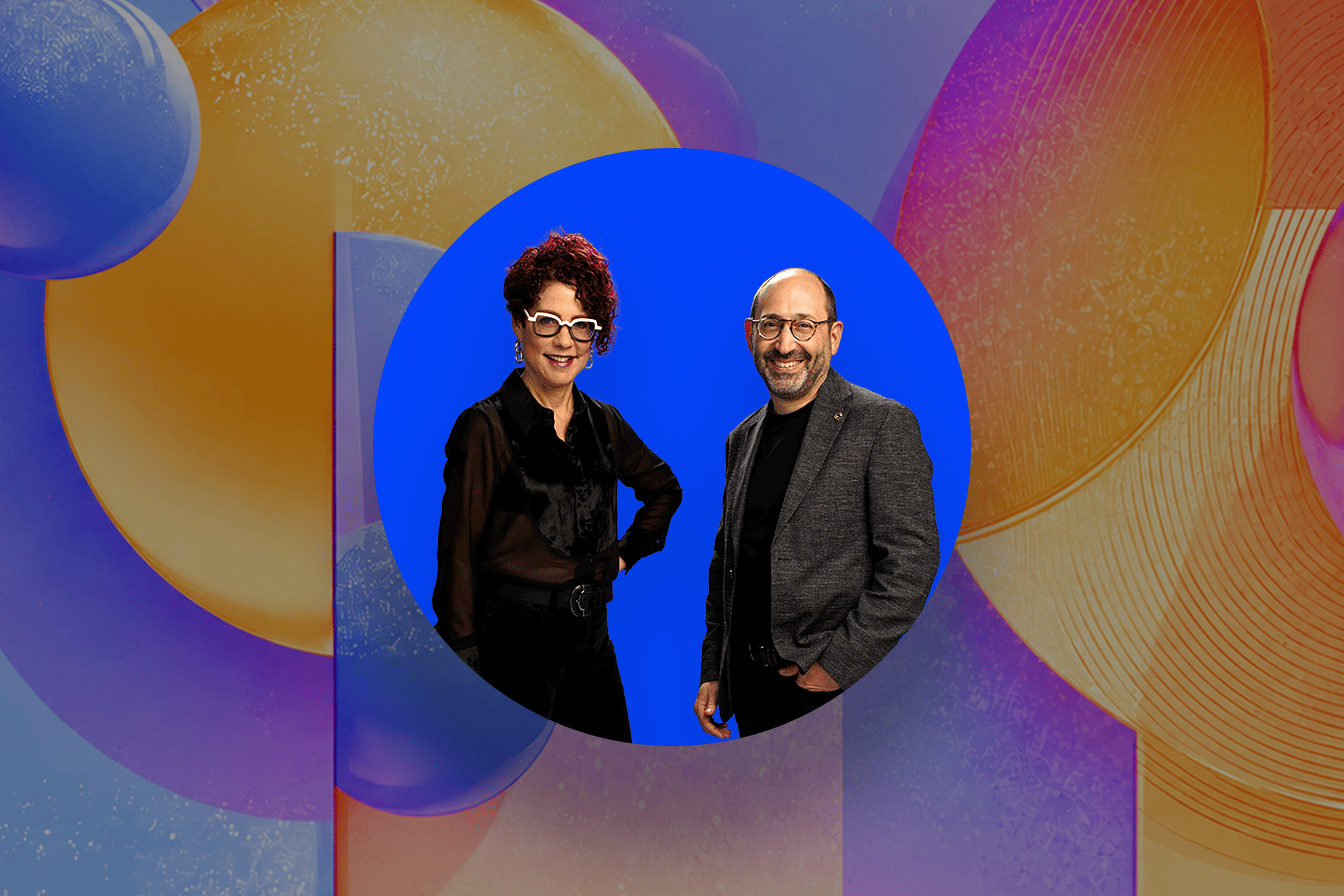
AI is changing our pathways for developing cross-cultural strategy faster than most of us are updating our instincts about where and how to apply it. To explore that gap, Brian Kaiser sat down with Amy Gómez, who has spent her career helping Fortune 500 companies communicate effectively with underrepresented consumers and the last 15 years at the intersection of health equity and pharma marketing.
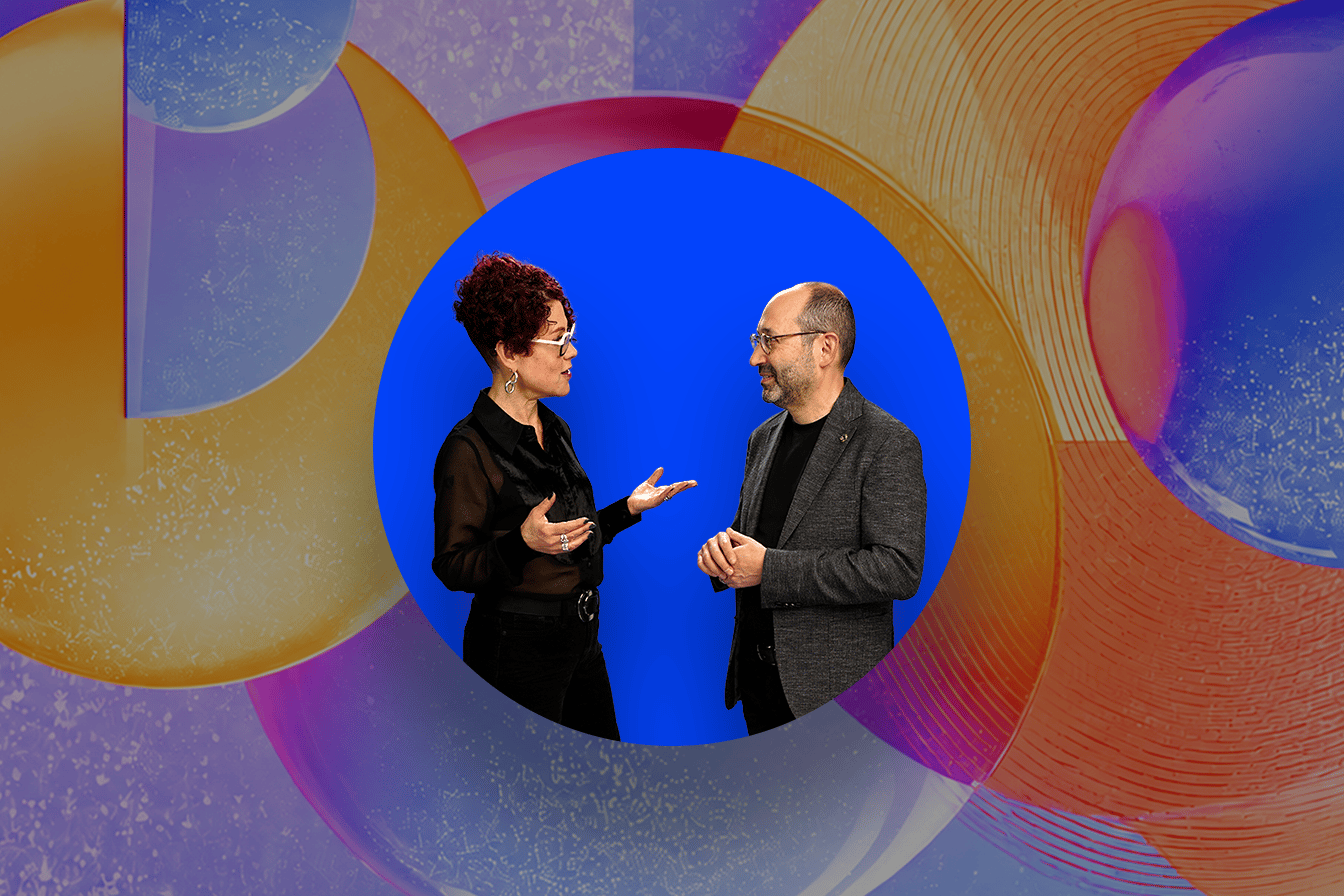
From Multicultural to Cross-Cultural to Polycultural
Brian Kaiser [BK]: You've moved away from the term "multicultural." What's replaced it, and why does it matter, especially now, with AI in the mix?
Amy Gómez [AG]: The terminology says a lot about how we think about cultural segments and their relationship to one another. “Multicultural” implied hierarchy: a dominant mainstream culture with other less important segments that were nevertheless worthy of some attention. “Cross-cultural” gets closer to the reality of the 21st century and a more egalitarian approach to understanding consumers. But even that is evolving.
The term that fits today’s reality is “polycultural”. Our identities were never limited to race and ethnicity, and that's more true than ever in a culture growing more diverse by the year: gender, sexual identity, socioeconomic status, religious belief, geography, lifestyle, and more.
People hold multiple identities simultaneously, and each one shapes the others. Influence is multidirectional. The opportunity for marketers is to meet people where those layers intersect. That's where the most resonant connections happen, and where brands genuinely get to differentiate themselves.
That's the lens I bring to everything else we're about to talk about, including how AI fits into this work.
AI and the Data We Don't See
BK: You're co-authoring an article on AI bias and real-world evidence (RWE). AI seems to help us identify patterns that used to go overlooked. What do you see as the opportunity and the watchouts?
AG: The opportunity is real. AI can surface patterns in access, adherence, and outcomes at a scale humans can't match. For communities that have been systematically excluded, that's potentially transformative.
But here’s the catch. Real-world evidence has ingrained structural gaps. People who never make it into the healthcare system because of socioeconomic barriers, structural bias, thin SOGI (sexual orientation/gender identity) data, or rural access remain invisible.
At face value, AI can mistake that absence for a lack of disease burden rather than a lack of access, and present that as an objective fact. It's a mistake that’s critical to catch early because incomplete data can render the highest-need patients invisible. And this is where AI should be helping us better surface that complexity, identifying gaps and pointing towards supplementary data sources.
Once you know where those gaps are, they stop being a liability and become a map.
Here's the part I find genuinely exciting: once you know where those gaps are, they stop being a liability and become a map. The absence itself tells you where to look, which communities have been underserved by the data, and where the real opportunity is to build something more accurate and representative than what came before.
That's the work in front of our industry right now, while these tools are still being shaped. It's our responsibility to close the gaps before they harden into assumptions and exclusions.
AI as a Thinking Partner
BK: So, how do you actually use AI responsibly in polycultural strategy work?
AG: I had an interesting moment with Claude while prepping for this conversation. I asked it directly: how does your status as AI shape the brief you're building for me?
The answer was candid about its process, telling me its first pass had defaulted almost entirely to race and ethnicity, because that's what dominates its training data. It was up to me to redirect it toward other dimensions: gender identity, socioeconomic status, rural versus urban experience, religious identity, military affiliation, and other areas it would otherwise have left out.
That's the partnership working the way it should. AI hands you a fast, capable first draft. The strategist's job is to know what's missing from it. Taken at face value, that first brief would have read as credible and confident while completely flattening a polycultural audience.
BK: That's what I keep coming back to. AI can write in any voice, fast. What it can't do is know which voice is missing, or why. That editorial instinct doesn't get replaced as the tools improve, so the user and their context and experience becomes the differentiator.
AI can write in any voice, fast.
What it can't do is know which voice is missing, or why.
Generative AI and Nuance: Depth as the Unlock
BK: When you pair polycultural expertise with generative AI, does something become possible that wasn't before?
AG: Yes—but it's worth being precise about what that something is, because there's a shallow version of this and a more complex opportunity.
The shallow version is speed and scale on the work we already know how to do. Imagine faster content variations, faster translation support, and faster reporting. While genuinely useful, it doesn't increase cultural depth.
The bigger opportunity is depth at scale. Take culturally differentiated patient journeys. You could map how a patient's experience of disease, the healthcare system, and treatment decisions is shaped by their cultural context. When done well, that mapping shows you the specific barriers and openings for a given community. It could pinpoint where the system fails them, where trust already exists, and where actual decisions are made. The desire to reflect these moments at scale was always out of reach. It was painstaking, data-thin, and usually the first line item cut from a project.
Generative AI, paired with cultural expertise, finally makes that depth achievable. Expertise is the difference between output that's differentiated.

Always-On Cultural Intelligence: The Agentic Opportunity
BK: Research has always been episodic. You field a study, months pass, the world moves on. Does AI change that?
AG: Cultural context is never static. In our work on Hispanic communities and mental health, we documented how deeply stigma shapes whether and when people seek care. But stigma evolves. Our research demonstrated a generational shift among younger Latinos toward openness about mental health. A brand can miss that shift, or lean into it before the community's actually there. Both come from treating a moving target as a fixed one.
Traditional primary research captures a moment, and by the time the insights are in market, the cultural conversation may already have moved on. Agentic AI opens up something closer to a living read. It can continuously monitor signals, flag emerging conversations, and surface the cultural moments most relevant to a brand's strategy.
Think of it as the difference between a photograph and a video.
Think of it as the difference between a photograph and a video. We've been working from photographs. Now we get to work with something that moves, is layered, and is in conversation with itself. Success is contingent on, first, pointing the camera in the right direction, and second, focusing on learning in order to better support historically underserved communities, not to profit from them.
Hispanics and Mental Health: Gaming as a Pathway to Self-Care
Read NowCultivating Lasting Community Partnerships
BK: The public health research landscape is shifting. Where should agencies and brands invest?
AG: Funding for disaggregated data on communities historically underrepresented in healthcare was impacted by recent cuts, and public infrastructure is getting less reliable. That makes this the moment to invest directly to ensure access to the intelligence required: community partnerships, primary research, real-world data, diverse talent.
The agencies and brands that build that muscle now will be the ones equipped to do this work well, regardless of what public data looks like tomorrow.
BK: For a pharma brand starting from zero with a community, where do they begin?
AG: Listen and co-create. The rallying cry of the disability rights movement—“Nothing about us without us”—holds true across the board. Genuinely involve the community in shaping what you do. Enter with humility, real curiosity, and a commitment to let what you hear change your direction.
BK: Every enduring community relationship I've seen was built the same way: sustained presence. Brands showed up, listened, and stayed involved before and after the campaign ran. That consistency is what makes it real.
AG: Exactly. You earn the right to be part of the conversation by demonstrating, over time, that you're there to serve and that commitment has to come before the ask, not alongside it. Start there and the rest follows.
The aspiration hasn't changed: doing right by the people the system has historically underserved. What's changing is how much better equipped we are to pursue it, with open eyes and a curious mind.
Generative AI, used properly, can deepen the work. Agentic AI can help us keep it current by staying plugged in. The most important ingredient is the human with genuine polycultural understanding acting as a steward of those tools.
Follow us for more Difference-Making Strategy conversations. To find out more about this topic or how Klick can help you redefine your strategies, contact Brian and his team today.



Ready to Drive Life Sciences Forward?
Experience the transformative power of Klick Health, where deep industry expertise meets cutting-edge AI-driven wisdom.
As your trusted partners in life sciences commercialization, we combine a storied history in healthcare with the latest technologies to elevate every facet of your omnichannel strategy. From crafting engaging narratives to enabling data-driven decision-making, our integrated capabilities ensure you lead the way in transforming patient outcomes through digital health innovation.
Let’s create something transformative together.