
Conditions That Highlight the Gender Gap
Women’s Health: The Power of Potential
Authored by Christina Mullen
What you’ll learn:
Gender bias in healthcare leads to missed diagnoses, delayed treatment, and worsened outcomes for women, particularly in conditions like cardiovascular and autoimmune diseases.
Closing data and representation gaps through research, diagnostics, and education is essential to improving how women are diagnosed, treated, and supported across the care journey.
Healthcare brands and professionals have a critical role to play by using data, empowering patients, and equipping providers to actively address inequities and drive better outcomes for women.

I miss Karen.
Each day, my neighbor walked her two King Charles Spaniels, Elliot and Gwendyln, down my street. She brought joy to our neighborhood with her open smile, fun chats, and youthful spirit. Then, one day, she stopped walking them. She had been experiencing symptoms of a heart condition that were missed. Not long after, Karen died suddenly of a heart attack at 58.
The women in your life—or perhaps even you—may have experienced inequitable care. And too often, women, especially women of color, have paid the price. Encouragingly, advances in technology and acknowledgment by the industry overall are starting to level the playing field. And the impact of prioritizing healthier women is being fully recognized.
So what can we, as professionals who play a crucial role in contributing to the system, do to keep closing the gap? We can start by understanding the key conditions where this inequity has been most prominent, to better serve female patients.

1. CVD: The Heart of the Matter
The leading cause of death in women is cardiovascular disease (CVD). It has historically been one of the significant culprits of gender bias in diagnosis and treatment. And it’s how we lost Karen so suddenly.
Historically, women have been underrepresented in clinical trials, leading to a lack of understanding of sex-specific symptoms and treatment responses, which has resulted in delayed diagnoses and suboptimal care.
Heart attack symptoms are sneakier in women. We often experience ones that differ from men’s, such as pain in the jaw, neck, or arms, and epigastric symptoms like nausea or indigestion.
In fact, research indicates that 53% of women reported that their symptoms were dismissed as unrelated to heart issues, compared to only 37% of men. When I see these numbers, I think about Karen and her dogs. And how my street just isn’t the same without them.

Change of Heart: Improving Through Innovation
Many large institutions globally now teach clinicians to stop labeling symptoms as “typical vs atypical.” Instead, they should characterize symptoms as “cardiac,” “possibly cardiac,” or “non-cardiac,” acknowledging the sex differences in symptom clusters. Additionally, as of 2021, the AHA/ACC chest pain guideline now states chest pain is the most common ACS symptom in both sexes; however, women more often have accompanying symptoms, such as nausea and shortness of breath (and other “anginal equivalents”).
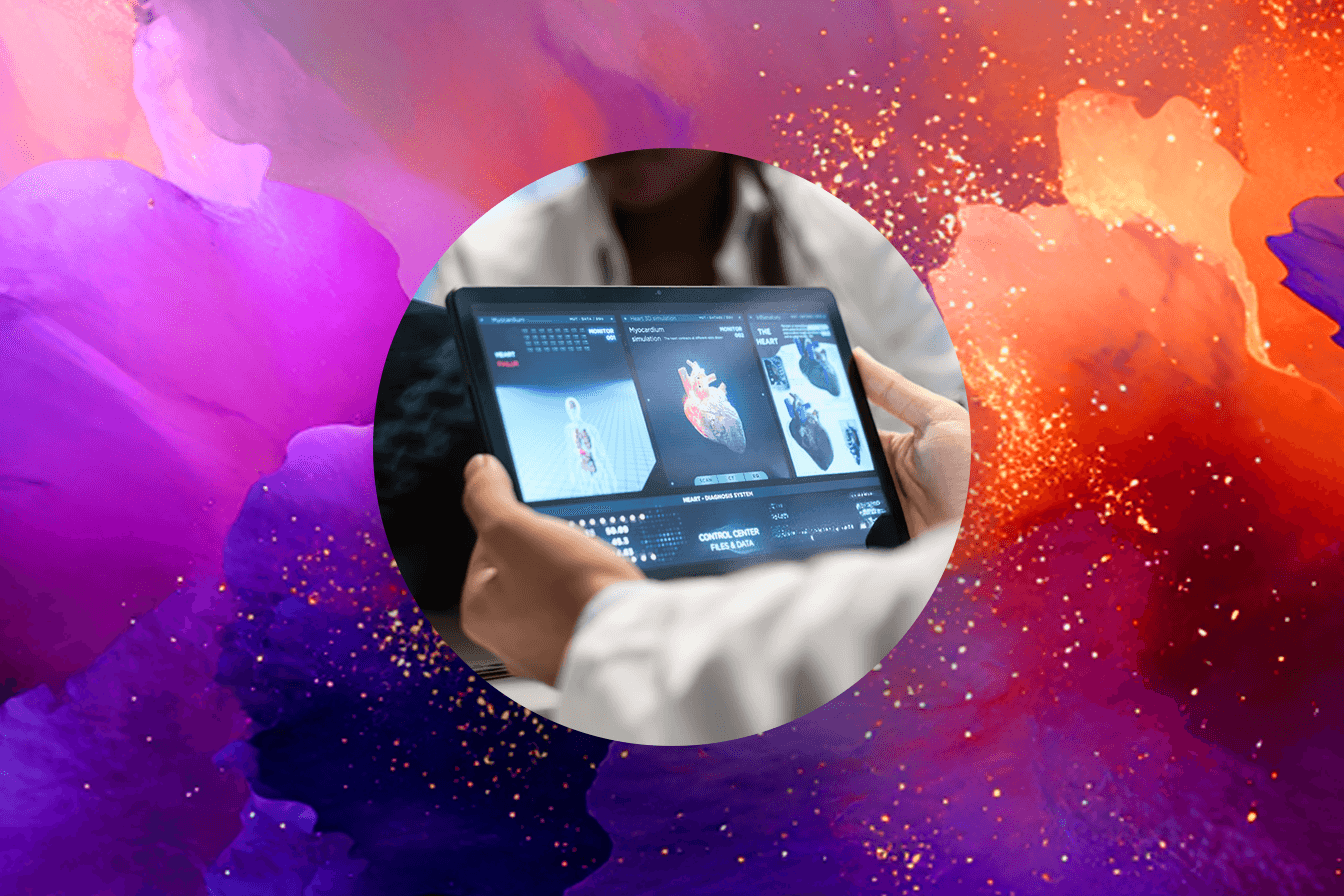
With AI advancements, HCPs can now have a cross-sectional view of a woman’s heart and its warning signs. Using multidimensional datasets can aid in sex-specific screening for risk prediction, prognostic phenomapping, and therapeutic decision support.
Not only does this help women immediately, but by expanding female representation and integrating sex-specific factors in AI research, we pay it forward and minimize bias, ensure robust external validation, and enable equitable, scalable implementation.
These tools have the potential to integrate EHR, wearables, imaging, and biomarkers to identify heart disease patterns specifically for women.
In fact, Cornell University sponsored a retrospective study of 116,135 women from two healthcare systems that used AI to analyze breast arterial calcifications on routine mammograms. The study assessed cardiovascular risk in women, enabling earlier intervention without additional procedures.
2. Autoimmune Diseases
Autoimmune diseases stimulate the body’s immune defenses to attack itself. These diseases include lupus, psoriasis, multiple sclerosis, rheumatoid arthritis, and thyroid diseases. Symptoms across these conditions range from pain and discomfort to significantly debilitating exhaustion and agony.
Of the 300–350 million people worldwide living with these symptoms, women account for a staggering 80%—that is 234–275 million women worldwide. And despite this significant prevalence, it takes an average of five years for women to receive a diagnosis.
Five years is planning a wedding and having a child. Five years is finishing school and digging in to find your first job. Five years is moving to a new place and building connections. Recognizing this, pharmaceutical companies are building programs to address the gap.
Inventing a New Immune Landscape
Companies are now developing sex-specific therapies that consider hormonal influences and genetic differences unique to women. In addition, there has been growing action to enhance clinical trials and ensure balanced representation in studies. All leading to more effective and safer treatments for women.
One clear example is the groundbreaking work by Fab Biopharma, which utilizes male and female organoids in preclinical studies to explore sex-specific dosing. They also design clinical trials that more accurately reflect the diverse patient population.
Change is happening from within the system as well: more women are becoming HCPs. According to the AAMC, “women now account for more than one-third of active physicians, and are expanding their presence to become a majority or significant share of active physicians in such specialties as pediatrics, obstetrics and gynecology, dermatology, pathology, and psychiatry.”

So What Can Brands Do to Keep Closing the Gap? Build a Bridge Over It!
Dispel Disparity with Data: Utilizing large-scale data analysis, identify patterns and gaps in women’s health, with a focus on targeting, diagnosis, and prescribing rates, which can inform targeted interventions and resource allocation.
Boldly Empower: Female patient education, specifically symptom and preventive care, is critical, and just as importantly, it promotes strong self-advocacy. It is critical for brands to recognize intersectionality and the importance of culturally curated health information. Then delivering it through trusted forums and messengers, in language that will be easily understood. Give us knowledge, then encourage our power to share it and push until we get the answers we need—this will potentially lead to increased and faster diagnosis rates.
Get HCPs on Board: Educating HCPs can be done at the ground level. They have a relationship with reps. They learn from the talk track. We can integrate sex-based differences and women’s health-specific messaging into our materials, so it’s a bigger part of the narrative and more top-of-mind at the point-of-care.
Better Conditions, Without Conditions
It’s an exciting time to be in the healthcare industry. Change is happening, and those of us who are partnering with brands to connect with women are part of this change. Now is the time to fully commit to women’s health—so fewer women have their pain dismissed, their symptoms overlooked, or their lives cut short. Women like Karen. She should still be here, waving and smiling. Walking her pups. I miss her.
Disclaimer:
While the data in this article is pulled from reports focused on those assigned female at birth, we recognize that inequities in “women’s health” impact a wider spectrum of individuals, including transgender women, non-binary individuals, and others.
Additional sources:
The State of US women’s heart health: a path to improved health and financial outcomes (Mckinsey, Heart.org)
Why Heart Disease Research Still Favors Men (Time)
The slowly evolving truth about heart disease and women (AHA)
Why autoimmune disease is more common in women: X chromosome holds clues
Klick Health is the world’s largest independent commercialization partner for life sciences and a leading full-service pharma marketing partner, serving as agency of record for leading pharma, biotech, and healthcare brands. Klick’s specialized offerings are rooted in deep medical and scientific understanding, including market insights, award-winning creative, and proprietary AI and data models to craft impactful brand narratives and seamless customer journeys. Backed by nearly 250 medical experts and advanced healthcare analytics, Klick delivers integrated marketing strategy and communications, from new product launch strategy to MLR review with real-world evidence, helping brands thrive in today’s complex healthcare landscape. Learn more at Klick.com.
Author

Christina Mullen
Senior Vice President, Strategy



Ready to Drive Life Sciences Forward?
Experience the transformative power of Klick Health, where deep industry expertise meets cutting-edge AI-driven wisdom.
As your trusted partners in life sciences commercialization, we combine a storied history in healthcare with the latest technologies to elevate every facet of your omnichannel strategy. From crafting engaging narratives to enabling data-driven decision-making, our integrated capabilities ensure you lead the way in transforming patient outcomes through digital health innovation.
Let’s create something transformative together.