What you’ll learn:
In a moment of compounding volatility, familiarity itself is a form of emotional safety.
People are re-anchoring around heritage, tradition, and the known as a way to feel grounded.
This isn’t a regression: of course, consumers still want modernity, but they want it wrapped in what they already know and trust.
Welcome to the next article in our series exploring the cultural forces shaping our world.
In pharma and healthcare, it’s important to understand the industry-specific forces driving change. We must also consider the larger forces shaping the wider culture. Our industry isn’t immune to these cultural forces. Patients, HCPs, and payers all participate in the wider culture.
Understanding cultural forces allows us to predict challenges and identify opportunities early. Our Klick Strategy community is always looking for new angles to help us understand the world.
One emerging cultural shift is becoming increasingly visible across workplaces, consumer behavior, and healthcare.
When the world feels unstable, people reach for what feels safe.
What Is “Psychological Shelter”?
For much of recent memory, novelty was the prize. It felt like living in a science-fiction movie. Relentless disruption has been treated as evidence of progress, and brands competed to feel as forward-looking as possible.
But even the most exciting and valuable technological advancement can feel scary and overwhelming. Change is hard!
Economic pressure, political anxiety, the acceleration of AI, and constant digital overwhelm are producing a consumer who feels the need to default to what feels trusted. Faced with too much volatility, people reach backward to when the future seemed navigable.
Psychological shelter is the sense of emotional safety people get from familiarity when change starts to feel overwhelming. Crucially, this isn’t a rejection of modernity, as individuals clearly aren’t abandoning innovation. Instead, they’re asking that it arrives in a friendlier package.
The Signals
In the first article of this series, we introduced the concept of signals as “Leaves” in our model of cultural forces. Signals are the fast-moving trends and fads that represent a moment in time. As a collection, they can indicate the direction in which culture is moving.
Several signals point toward the growing importance of psychological shelter.
Signal: Neo-nostalgia in everyday consumption
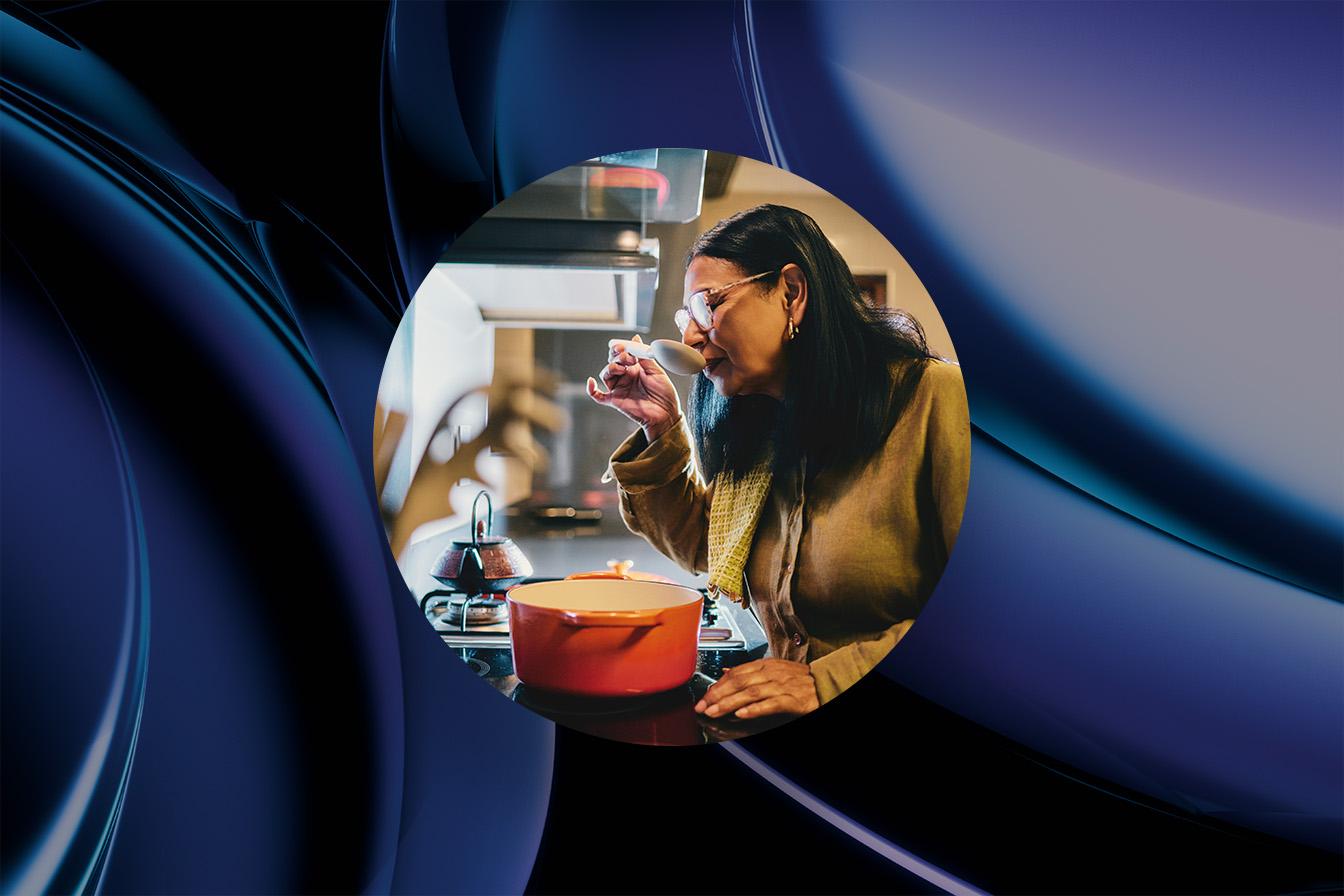
Neo-nostalgia comes from Nestlé’s 2026 foodservice-trend work, which names it as a defining shift: nostalgia embraced with a modern twist, blending traditional elements with innovative ingredients—dishes like miso-mashed potatoes or brown-butter lattes. But the deeper driver is best captured by Mintel, whose 2026 trend research finds consumers romanticizing the past as a refuge from a volatile, AI-saturated world and gravitating toward heritage brands, including the resurgence of Stanley thermal cups a few years ago or the return of the Ford Bronco.
The pattern shows up well beyond food. It can be seen in heritage packaging trends (think the tinned-fish trend) and the revival of mid-2010s aesthetics. The TikTok meme (“2026 is the new 2016”) is fun but also carries a note of melancholy.
Cultural Forces 2026: An Emotional Retreat
Read Now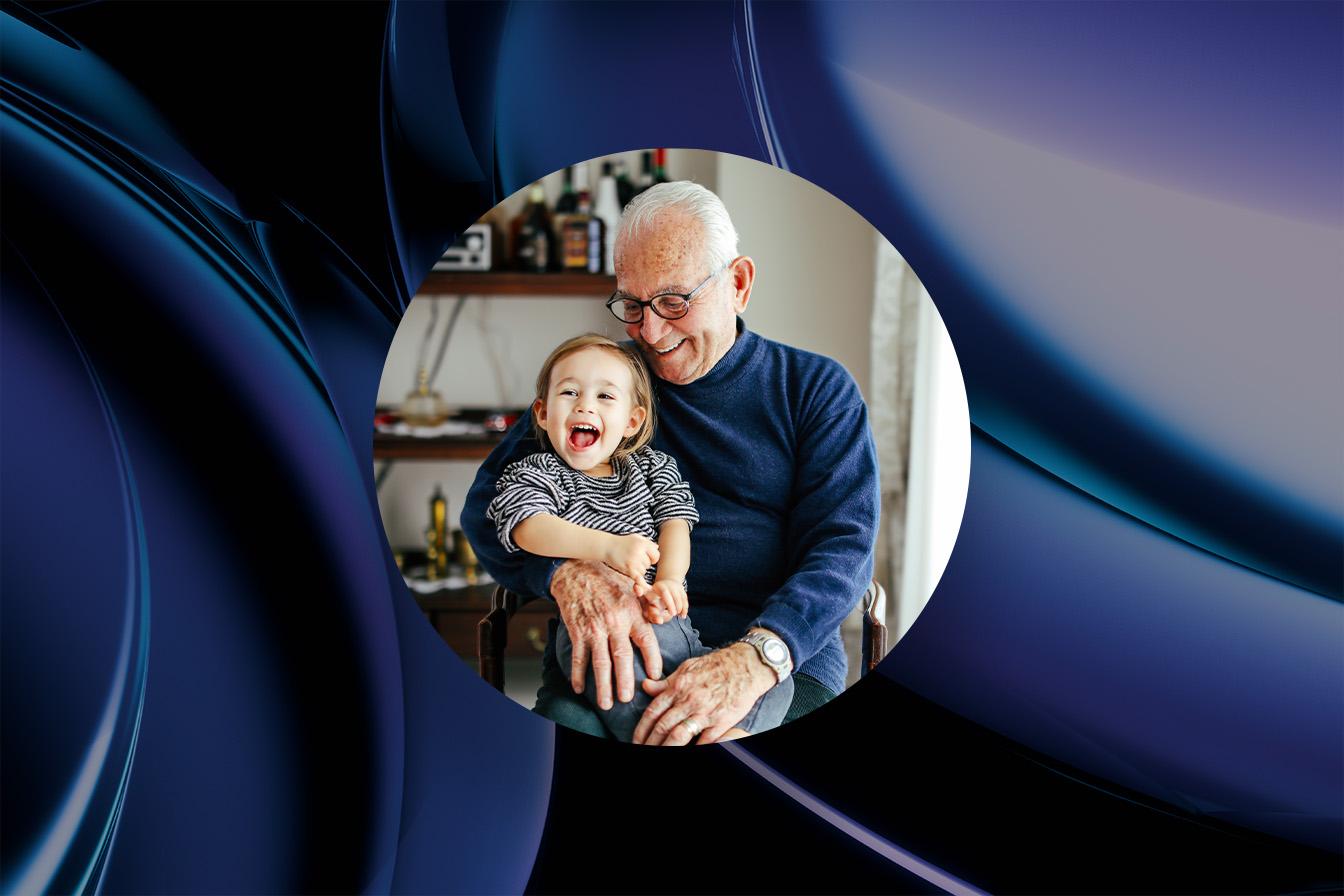
Signal: The return of the multigenerational household
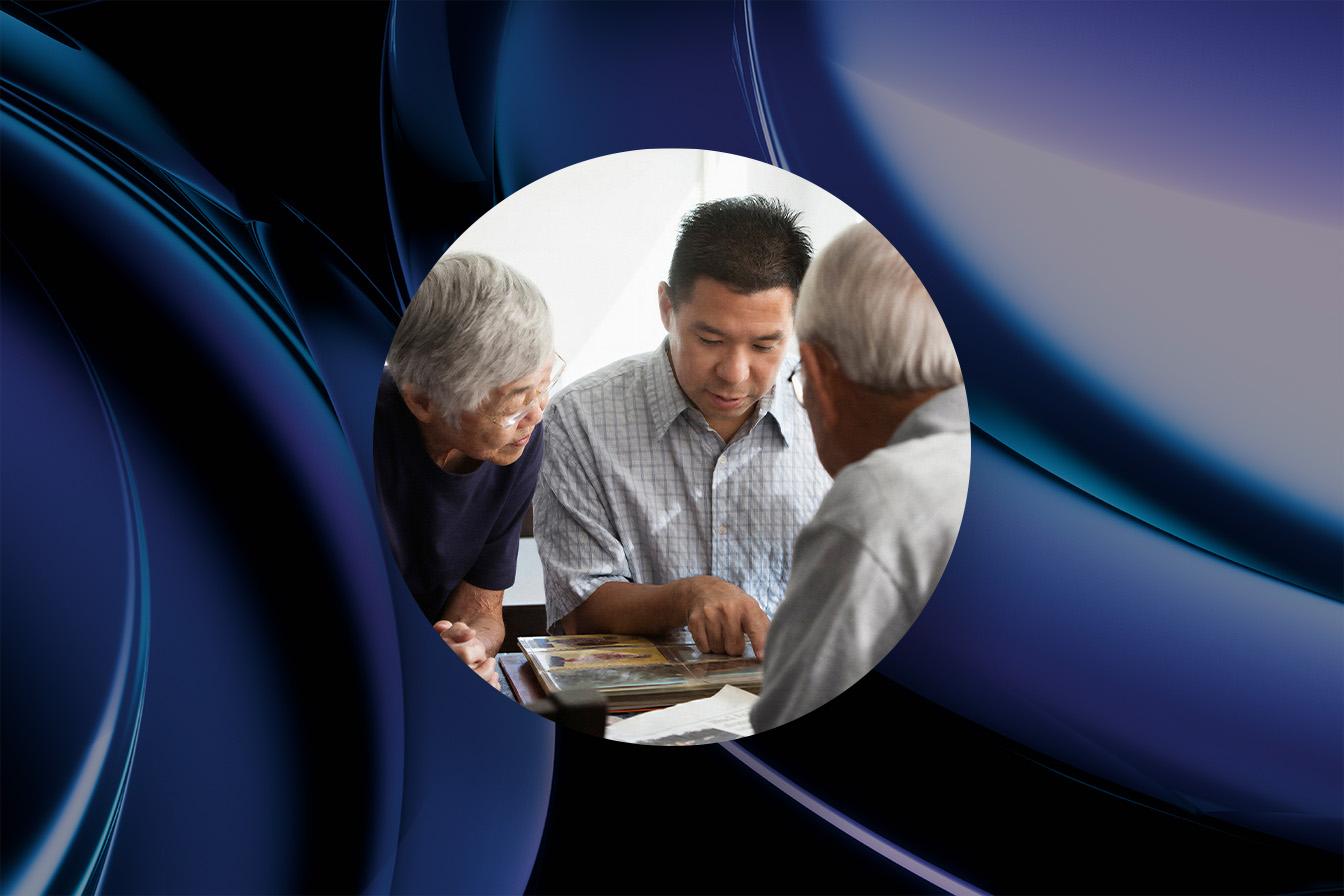
One of the clearest structural signals is where people are choosing to live. Multigenerational living has climbed to levels not seen in generations. The share of the US population in such households has more than doubled since the 1970s, and these arrangements now account for a meaningful and rising slice of home purchases. The drivers are obviously at least partly economic (cost sharing under housing pressure) and partly about care: looking after aging parents and supporting adult children under one roof. That multigenerational home can also help offset childcare costs in some cases.
But the effect is cultural as much as financial. More generations under one roof means more voices in everyday decisions, including health decisions. Grandma’s POV is back in the room.
Signal: The flight to trusted brands over cheaper alternatives
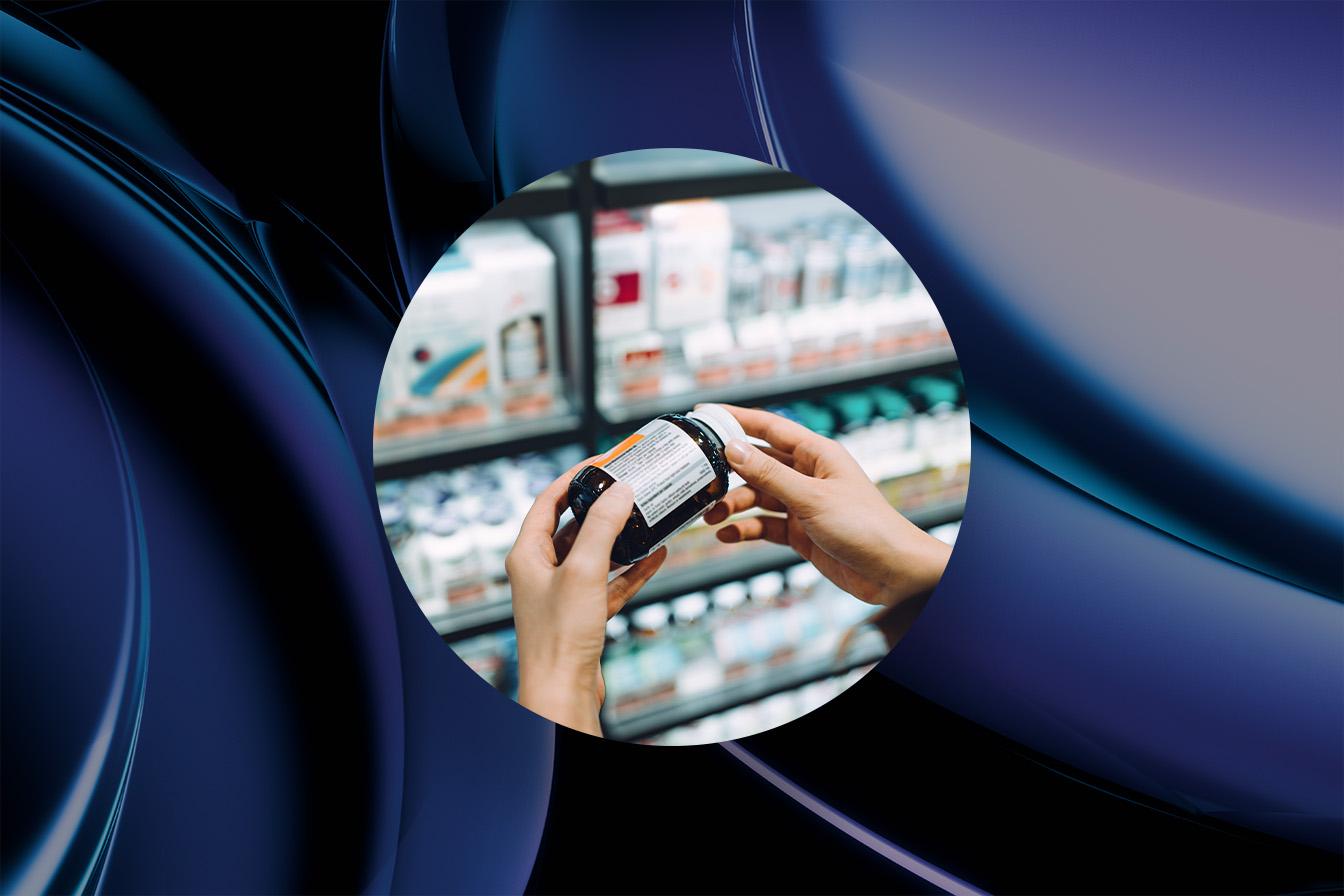
When money is tight, you’d expect people to trade down. Instead, brand loyalty is a safe haven. A 2025 study found people will pay 25% more to stick with a brand they trust, and 71% of Americans are more likely to buy brands tied to their childhoods. The known name carries the same weight as the inherited recipe; it tells you what to expect and promises that you aren’t wasting your money—even if you might pay more initially.
It shows up in health too: 62% of Americans trust brand-name medicines more than generics, though most still buy generic on price. The shelter instinct is real, but it is always under pressure from very real financial forces. It helps us understand what people will return to when their budgets recover, while their current purchases show what they can afford this month.

What Will Psychological Shelter Look Like in the Near Future?
If this force continues gaining momentum, we may see its influence across consumer, domestic, and medical settings:
Brands may increasingly compete on cues of trust, heritage, and continuity rather than disruption. Reassurance becomes a differentiator.
Health decisions may become even more collective, shaped by multigenerational households where inherited and ancestral frameworks carry real weight.
Patients may place greater trust in solutions that feel familiar, time-tested, or endorsed by previous generations, even as they expect modern efficacy (the beef tallow and bone broth trends are good examples).
At the same time, the instinct can run counter to genuinely new science. Breakthrough framing (once a virtue) may read as risk to a consumer seeking steadiness, unless it is translated into familiar, legible terms, something that pharma communications have had to balance since the beginning.
How to Leverage This Cultural Force
Pharma brands built on novelty and scientific breakthroughs should seek a layer of familiarity. The strongest positions combine rigorous modern science with cues of trust, heritage, and continuity.
The opportunity is to meet people where they feel safe. In a moment of compounding volatility, the brands and providers that win will be the ones that help patients feel grounded: offering modern care wrapped in the cues of trust, continuity, and the familiar.
About Klick Health
Klick Health is the world’s largest independent commercialization partner for life sciences companies. Together with Oxford PharmaGenesis, the agency helps life sciences brands achieve their full potential with best-in-class marketing and advertising, media strategy and purchasing, medical affairs, medical publications and medical communications, value and market access services, real world evidence support, as well as technology and analytics consulting from clinical development through Loss of Exclusivity (LOE). Established in 1997, Klick Health (including Oxford PharmaGenesis, Klick Katalyst, and btwelve) has offices in Toronto, Cambridge, Cardiff, London, Melbourne, New York, Oxford, Philadelphia, São Paulo, Saratoga Springs, and Singapore.
Author
Meredydd Hardie
Senior Vice President, Strategy



Ready to Drive Life Sciences Forward?
Experience the transformative power of Klick Health, where deep industry expertise meets cutting-edge AI-driven wisdom.
As your trusted partners in life sciences commercialization, we combine a storied history in healthcare with the latest technologies to elevate every facet of your omnichannel strategy. From crafting engaging narratives to enabling data-driven decision-making, our integrated capabilities ensure you lead the way in transforming patient outcomes through digital health innovation.
Let’s create something transformative together.