Healthier Women, Healthier for All
Women’s Health: The Power of Potential
Verfasst von Christina Mullen
What you’ll learn:
Closing the women’s health gap drives broader economic growth and societal prosperity by enabling greater workforce participation, productivity, and long-term GDP gains.
Improving women’s health strengthens families and communities through better maternal outcomes, healthier children, and increased civic and educational engagement.
Systemic shifts like value-based care, inclusive clinical research, and intentional healthcare brand actions are essential to reducing gender disparities and delivering safer, more effective care for everyone.
Each day, we see healthcare advances: new discoveries, new frontiers, new therapies, and new diseases to treat. It’s an ever-exciting world we live and work in—and these advances are pushing us forward as a people, especially those who have traditionally been left behind, specifically women.
The most rewarding part of working in this industry is being part of a space where innovating for good is showing up in new ways, for those who need it most. It’s especially rewarding, as a woman in this business, where I am in some small way helping to close the health gap. And as the women’s health gap closes, a world of opportunity opens—unleashing great power in our potential—as women, as communities, and as the world at large.
Healthier Women Grow Economies
There’s the obvious benefit of being healthier as a woman—our personal well-being is enriched and our lives are extended. The women in our lives stay in them longer and enjoy their lives more. And we contribute greatly to local and global economies.
A comprehensive review of global studies confirms that women’s health is tightly linked to long-term economic productivity. The development and economic performance of nations “depends, in part, upon how each country protects and promotes the health of women.” In fact, historical data shows women’s rising labor force participation has been a major driver of GDP growth over the past half-century.
In addition to contributing to our families and our communities, we also contribute to the world economy. McKinsey reports that closing the gender gap could add $1 trillion USD to the annual global GDP by 2040, which would come from increased workforce participation, higher productivity, reduced healthcare costs, and expanding industries where women play a crucial role.

Healthier Women Improve Communities
Healthy women participate more fully in community and civic life, reinforcing social development. When we are well, we have more opportunities to engage in education, public decision-making, and leadership roles, creating social progress.
There’s a waterfall effect for families when moms are healthy: we are more likely to give birth to healthy infants and raise well-nourished children. These children have lower rates of illness and malnutrition, better school attendance, and ultimately become more educated and productive adults.
A Changing Landscape Is Shifting the Disparity
Our mothers, grandmothers, aunts, sisters, and even ourselves, have likely experienced some form of health inequity in our lives. This is not a simple story of numbers, data, facts, and figures, it’s a complex one about the real women behind the numbers whose lives are being changed and even extended as we start to close the gap.
I wish my Aunt Barb were still here, sitting at my brunch table on Sunday, with her high-pitched, joyful laugh. Her smile was infectious. And we miss her still. She lost her life to cervical cancer that was insidiously hiding out. Preventive care was simply not encouraged for her and was not part of her life.
One key area that is shifting the landscape to save more Aunt Barbs is the trend towards value-based care (VBC). VBC emphasizes patient-centric, data-driven outcomes, which encourages analysis of socioeconomic and demographic factors (like gender) to eliminate disparities. This is a shift from the traditional model that values volume of services as a measure of success.
Providers and systems that move their focus towards patient outcomes will prioritize patient empowerment, screenings, and more preventive care—all things that would have helped Aunt Barb.
VBC’s focus on quality and equity also encourages providers to surface and correct gender-based clinical biases, such as pain undertreatment or cardiovascular misdiagnosis.
With more women-specific training and care improvement, there may be fewer occurrences of underdiagnosis and underserving; for example, fewer delays in heart attack care.
A great example of this in action is Boston Scientific’s “Close the Gap” program. The Close the Gap team collaborates with HCPs (their customers) to uncover care disparities at the zip-code level and builds action plans that help improve cardiovascular care in women and underserved communities. The data also helps hospitals identify objectives, action plans, and metrics to track progress on closing healthcare gaps for high-risk patients.
More Inclusion Means More Gains in Closing the Gap
Over the past 20 years, the FDA and EMA have strengthened guidelines to include more women, especially pregnant women, in clinical trials. This continues to gain traction. For example, the 2025 EMA/ICH E21 guidance was issued to promote inclusion of pregnant and breastfeeding women, further extending earlier efforts for women in general. This also means women are gaining earlier access to cutting-edge experimental treatments during trials, not just after approval.
Some benefits of broader inclusion are absolutely closing the gap through improved scientific accuracy in biological differences. More inclusion means safer and more effective treatments for women, with critical dosing and side effect data being studied specifically for us. Inclusion mandates don’t just ensure fairness—they improve science, make treatments safer and more effective for everyone, and drive forward innovation.
Healthcare Brands Can Keep Pushing Us Forward
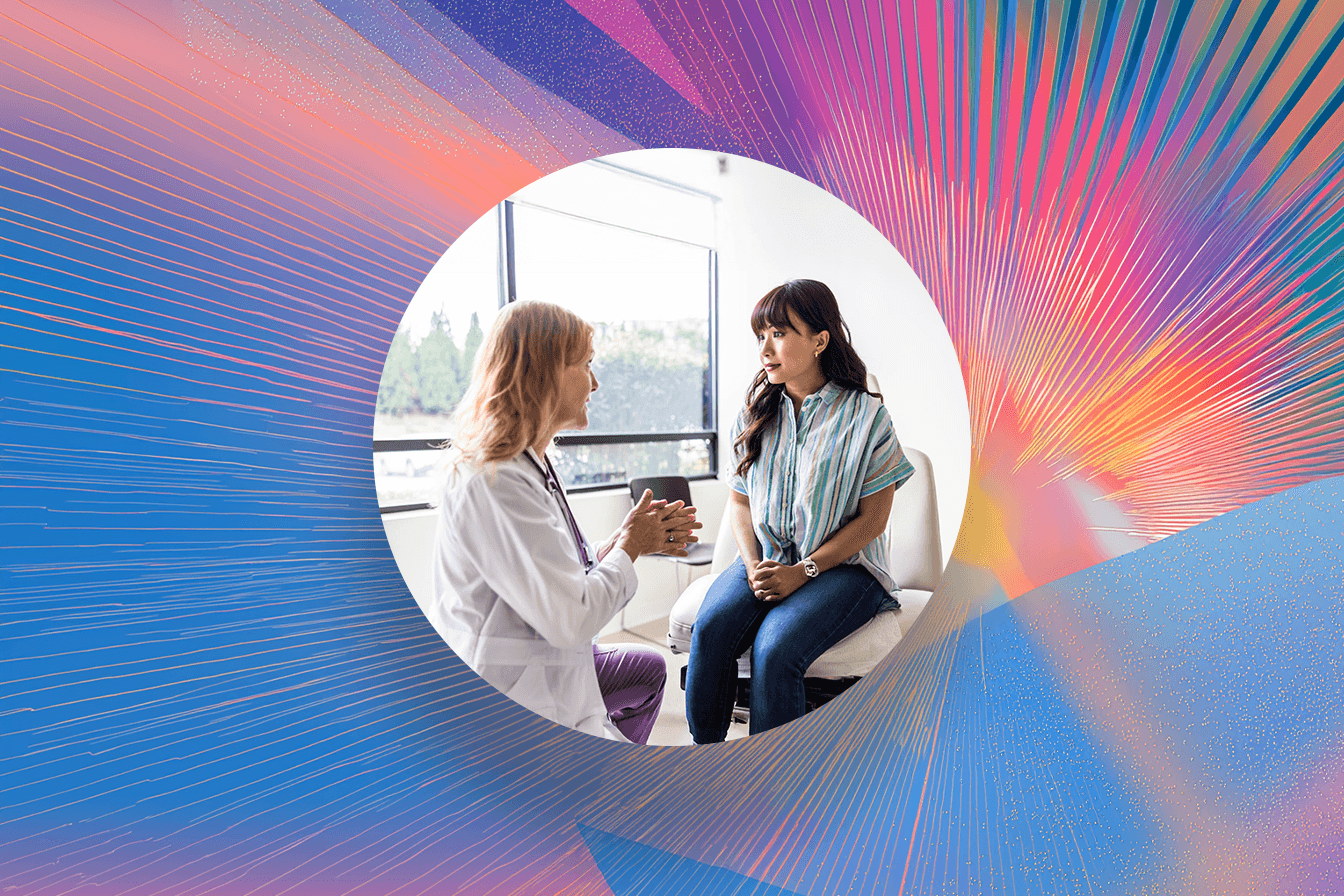
Gender inequality in health is a layered, complex issue, yet we are moving forward in correcting it. Healthcare brands have the power to empower women. As largely the chief healthcare decision-makers for most families, with concerted efforts from brands, we can make more informed choices about our health and for those around us.
Make it personal: Learn what makes us tick. Then talk to us, for real. Host co-creation forums with women of diverse backgrounds and geographies when building out communications programs. Enhance your research plan with sharper ways to screen and recruit women, so you can garner actionable learnings that foster innovation and inclusivity.
Let women truly be seen: Reevaluate your segmentation practices to acknowledge and address gender bias. Develop tailored patient journeys that create personalized healthcare experiences that acknowledge women’s unique medical concerns. Improve analysis by looking at disaggregated data on drug-adoption rates, efficacy, and safety outcomes by gender to ensure that treatments work effectively for women.
Let reps talk the talk: Highlight female clinical trial data with accurate, gender-specific insights to normalize the conversation with HCPs and shape their mindsets to expect it. Upgrade training and materials to educate the sales teams about gender disparities and the importance of targeted approaches.
A Healthier Tomorrow Begins Today
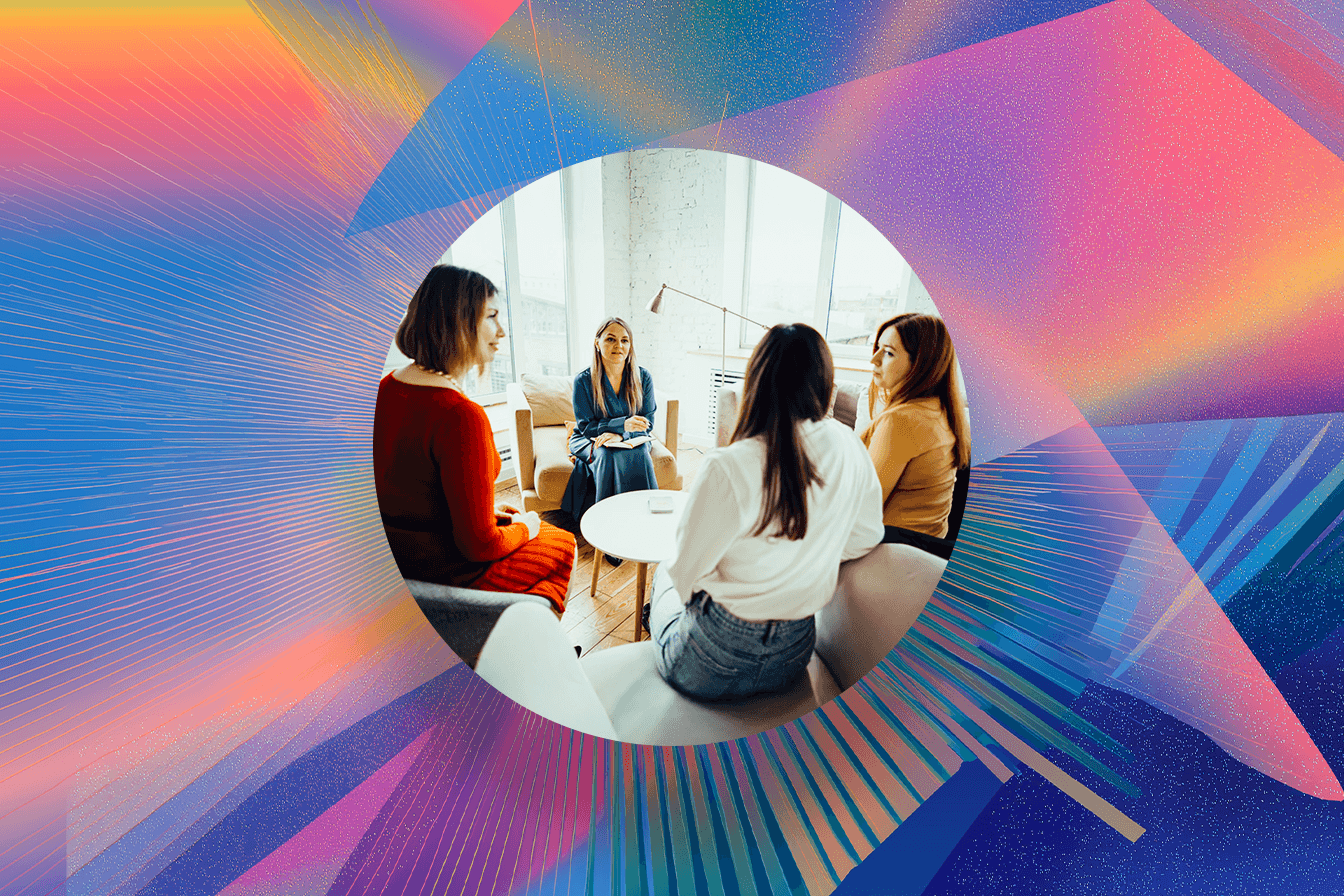
We are already seeing the great power in the potential of equalizing health and the potential for better economies and stronger communities. And above all, the potential for women to live richer and longer lives like I wish my Aunt Barb had.
Disclaimer:
While the data in this article is pulled from reports focused on those assigned female at birth, we recognize that inequities in “women’s health” impacts a wider spectrum of individuals, including transgender women, non-binary individuals, and others.
Klick Health is the world’s largest independent commercialization partner for life sciences and a leading full-service pharma marketing partner, serving as agency of record for leading pharma, biotech, and healthcare brands. Klick’s specialized offerings are rooted in deep medical and scientific understanding, including market insights, award-winning creative, and proprietary AI and data models to craft impactful brand narratives and seamless customer journeys. Backed by nearly 250 medical experts and advanced healthcare analytics, Klick delivers integrated marketing strategy and communications, from new product launch strategy to MLR review with real-world evidence, helping brands thrive in today’s complex healthcare landscape. Learn more at Klick.com.
Autor
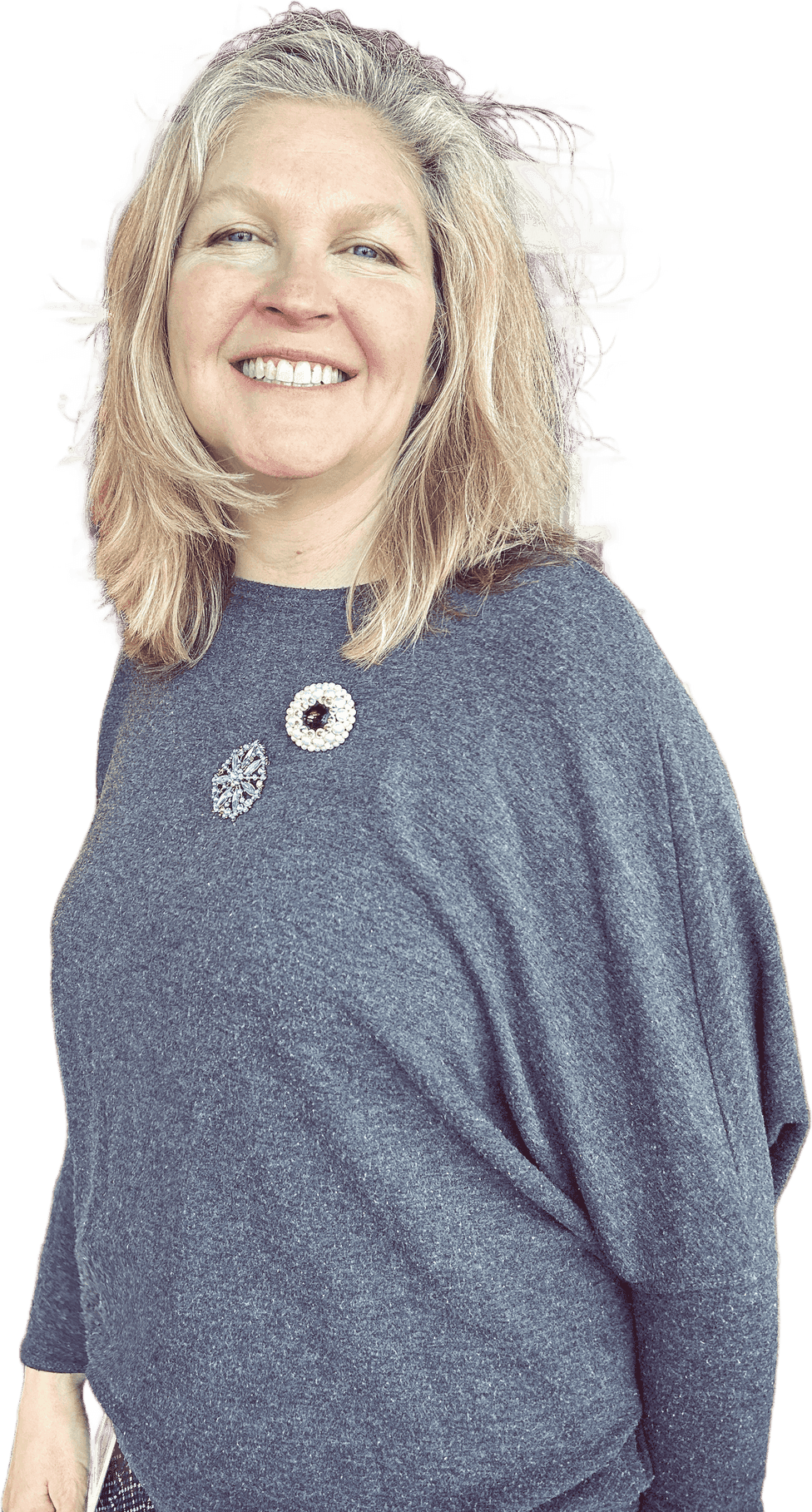
Christina Mullen
Senior Vice President, Strategy


Ready to Drive Life Sciences Forward?
Experience the transformative power of Klick Health, where deep industry expertise meets cutting-edge AI-driven wisdom.
As your trusted partners in life sciences commercialization, we combine a storied history in healthcare with the latest technologies to elevate every facet of your omnichannel strategy. From crafting engaging narratives to enabling data-driven decision-making, our integrated capabilities ensure you lead the way in transforming patient outcomes through digital health innovation.
Let’s create something transformative together.