

The piece you’re about to read is from Klick Health’s Life (Sciences) After COVID-19 series, a collection of expert perspectives designed to inform and inspire the life sciences community for the coming changes and opportunities we anticipate as a result of this global health crisis.
The Insight
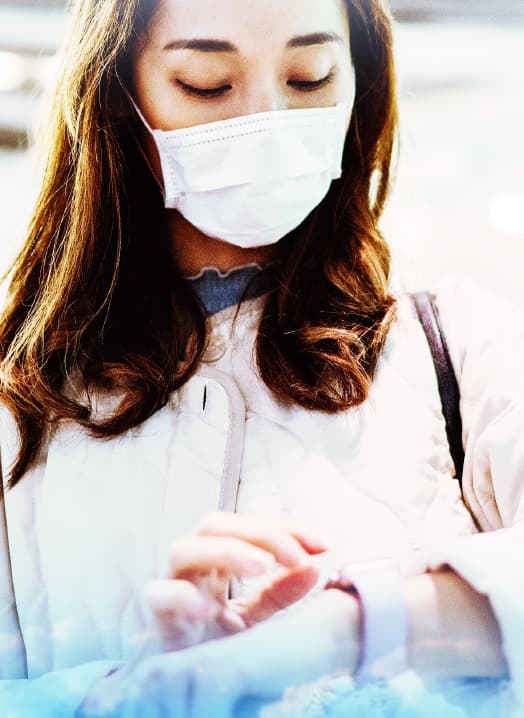
COVID-19 undermines almost anything that is shared or connected and it is raising significant questions about the significance of space in our lives. The overall threat to our health and the invisibility of that threat has introduced risk where once there was none or little perceived. We are more conscious of whom we interact with and much more choiceful about the kinds of spaces with which we interact. Our trust in public and shared spaces are overtly and consciously questioned. We need different emotional reassurances to feel safe and foster reassurance as we consider where, when, and how we will re-engage.
The heightened awareness of our personal space also creates questions about how and when to interact with objects and environments and we are actively looking for different reassurances. We are more discerning and distrustful of whom and what enters the spaces around us and we have to make purposeful decisions as to how space is used and who has moved through it. Our homes are not just homes but shelter. They are safe spaces where all dimensions of daily life—work, care, exercise, socializing, educating—is or was happening almost exclusively. We individually and collectively are setting new boundaries both within and outside of the home as a part of our drive to be safe.

As spacing guidelines were put in place in grocery stores and drive-through testing was introduced to keep COVID-19 from spreading in traditional waiting rooms, the role of these measures were simultaneously functional and emotional. The solutions were equally solving to protect from infection and give reassurances of protection.
Historical precedents say healthcare cannot escape the pressures of evolving public thinking towards space as a result of pandemics, but also that healthcare can be a driver of those changes. Widespread concern for our health creates new feelings and behaviors around space and how we interact with it. For life sciences leaders, examining ecosystems through the lens of space may open new thinking about everything from business models to how we communicate and create new kinds of customer experiences that meet both functional and emotional needs.
How can we continue to meet the information and support-based needs through these new orientations to space?
How can or should we adapt if some shared spaces, such as waiting rooms, become obsolete or significantly changed?
How can we incorporate the shifting emotional needs (i.e. reducing fear and emphasizing safety and protection) into our solutions to make them more aligned to evolving needs and expectations?
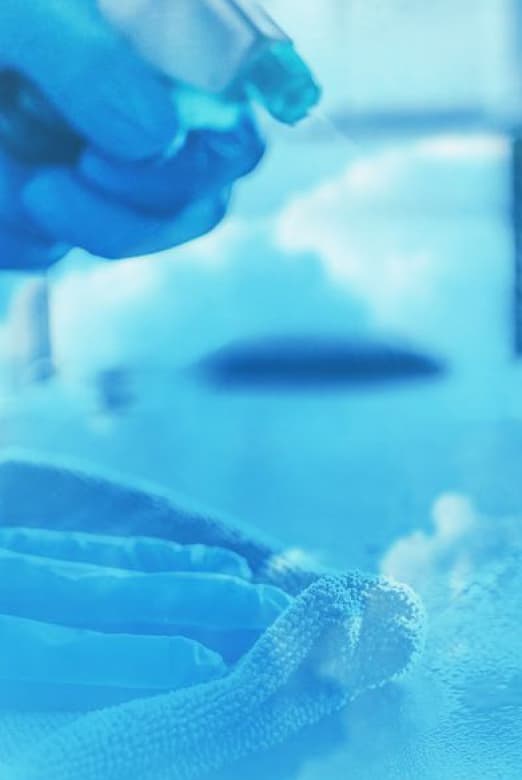
Our fear in this pandemic is created by invisible, unpredictable, and some might even say, sneaky opponents. Plexiglass, Zoom, and the ubiquitous transition to digital were our immediate responses.
The Evidence
Emotion and space are inherently intertwined, as humans have an innate awareness and drive to be in places with certain qualities, with safety among the most important. Academic disciplines, such as proxemics (the study of the human use of space), and emotional geography look at how we interpret and value our sense of personal space and the kinds of impact this has in retail, healthcare, and other social contexts, even including virtual reality. The proxemics forced on us by this pandemic are changing the way we interact and how we feel about the spaces with which we do, or desire to, interact with.
In healthcare, historic pandemics give us examples of how our need for safety drives change. In 1885 in China, a bubonic plague outbreak created social and cultural pressures that redesigned drainpipes, door thresholds, and building foundations in an effort to keep rats away.
Tuberculosis also exerted pressures that some have credited with fostering the smooth, clean, modern aesthetic where everything can be wiped down. It may have even driven the invention of the reclining chair! Some have asserted that form has always followed fear of infection, just as much as function.
Our fear in this pandemic is created by invisible, unpredictable and—some might even say—sneaky opponents. Plexiglass, Zoom, and the ubiquitous transition to digital were our immediate responses. Plexiglass is helping us create either actual or perceived barriers while simultaneously allowing for interaction and connection. Zoom and other web-conferencing platforms allow us to maintain face-to-face contact where none was possible. We are pushing to maintain almost all other forms of communication through digital channels. But now we’re contemplating how to go further: what needs to be reduced, rethought, reconfigured, reimagined? And maybe, what needs to be visible that we once wished not to see?
Sometimes It's What You Can't See
We hope you enjoyed reading this POV preview. Make sure to download to view the complete content.
Author

Amy Maish
VP, Brand Strategy


Ready to Drive Life Sciences Forward?
Experience the transformative power of Klick Health, where deep industry expertise meets cutting-edge AI-driven wisdom.
As your trusted partners in life sciences commercialization, we combine a storied history in healthcare with the latest technologies to elevate every facet of your omnichannel strategy. From crafting engaging narratives to enabling data-driven decision-making, our integrated capabilities ensure you lead the way in transforming patient outcomes through digital health innovation.
Let’s create something transformative together.